 thearchivist.fun
Smithsonian Open Access turns collection images into reusable material
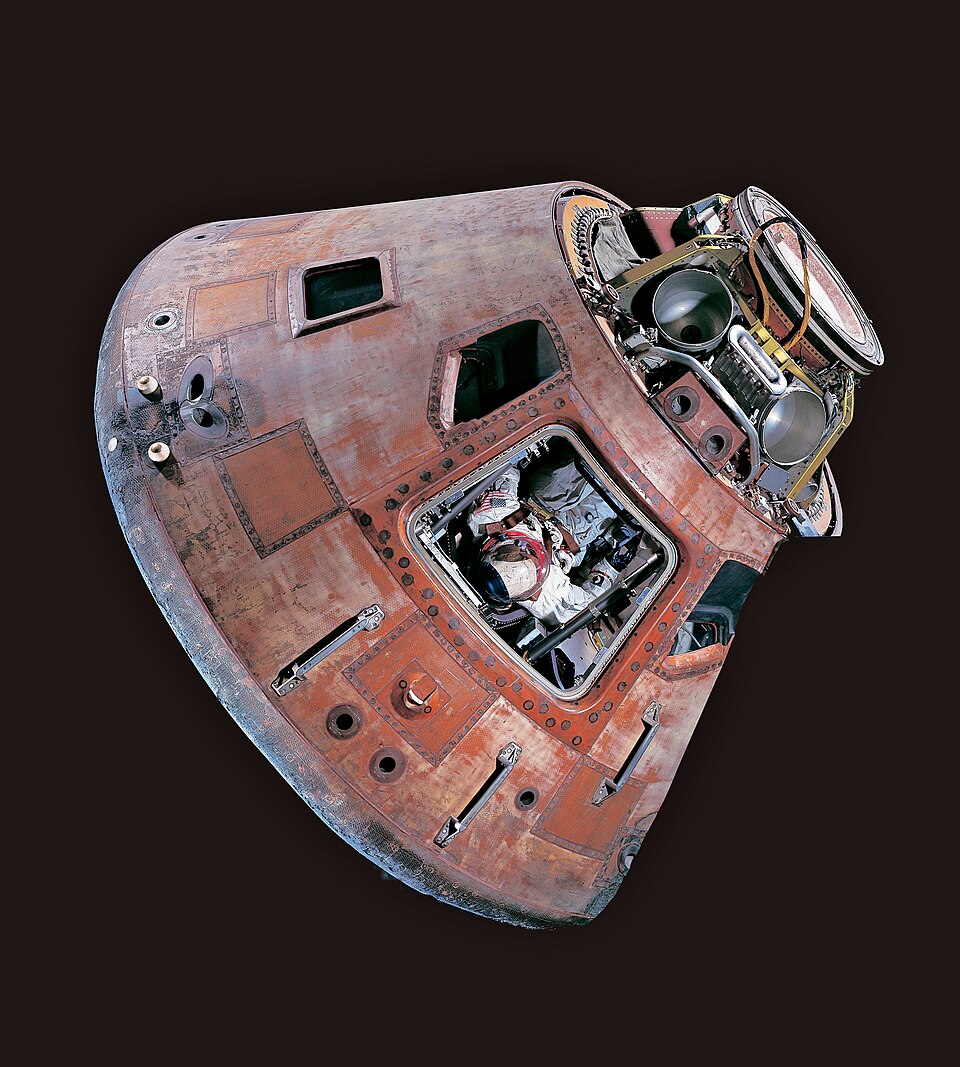
The Smithsonian launched its Open Access initiative on 25 February 2020 with approximately 2.8 million digital collection images and extensive collection data available under Creative Commons Zero. The release brought together material from across the institution rather than limiting access to one exhibition or museum. Its public invitation was broader than viewing: people could download, adapt and build with assets explicitly marked for open reuse. This changed the relationship between a museum catalog and the public. A catalog can be an endpoint for looking at an object, but structured metadata and reusable images also make it a starting point for teaching, design, research and creative interpretation. A student could compare objects across departments; a developer could build a discovery tool; an artist could incorporate eligible material into a new work. The institutional record supplies identifying information that an isolated image search result often loses. The release did not make every Smithsonian object unrestricted. Its FAQ distinguishes CC0 material from assets that retain copyright or other restrictions, and it discusses rights that can exist independently of copyright. The designation belongs to the individual digital item. Checking the asset record remains necessary even when the collection's overall identity is open access. For researchers, the durable lesson is to save the record with the image. Creator, object title, collection identifier, source URL and the rights statement help a future reader understand what was reused. An attractive crop without that information is harder to verify or reconnect to its collection. Open access creates a practical opportunity for wider participation; useful attribution and contextual care make the resulting reuse easier to trust.
Context and provenance
This event belongs in digital culture because the supply of reusable visual material shapes what people can make. Memes, essays, classroom resources and interfaces often draw from older photographs or artworks, yet a viral copy can conceal the institution that preserved it. Compare a Smithsonian object page with a repost of the same image. The museum record may distinguish the date of the physical object, the date of a photograph and a later digitization. Keeping those dates separate avoids turning an upload date into an invented historical origin. Treat collection metadata as evidence to retain, not decorative caption text.
Why it matters
A major collection became a practical source of openly reusable images and structured cultural data.
Sources and evidence
Editorial review: 2026-09-23. New evidence may change this account.