 thearchivist.fun
Scratch 2.0 brings remixing into the browser
Scratch 2.0 made it possible to inspect, experiment with, and remix community projects directly in a web browser.
Context and provenance
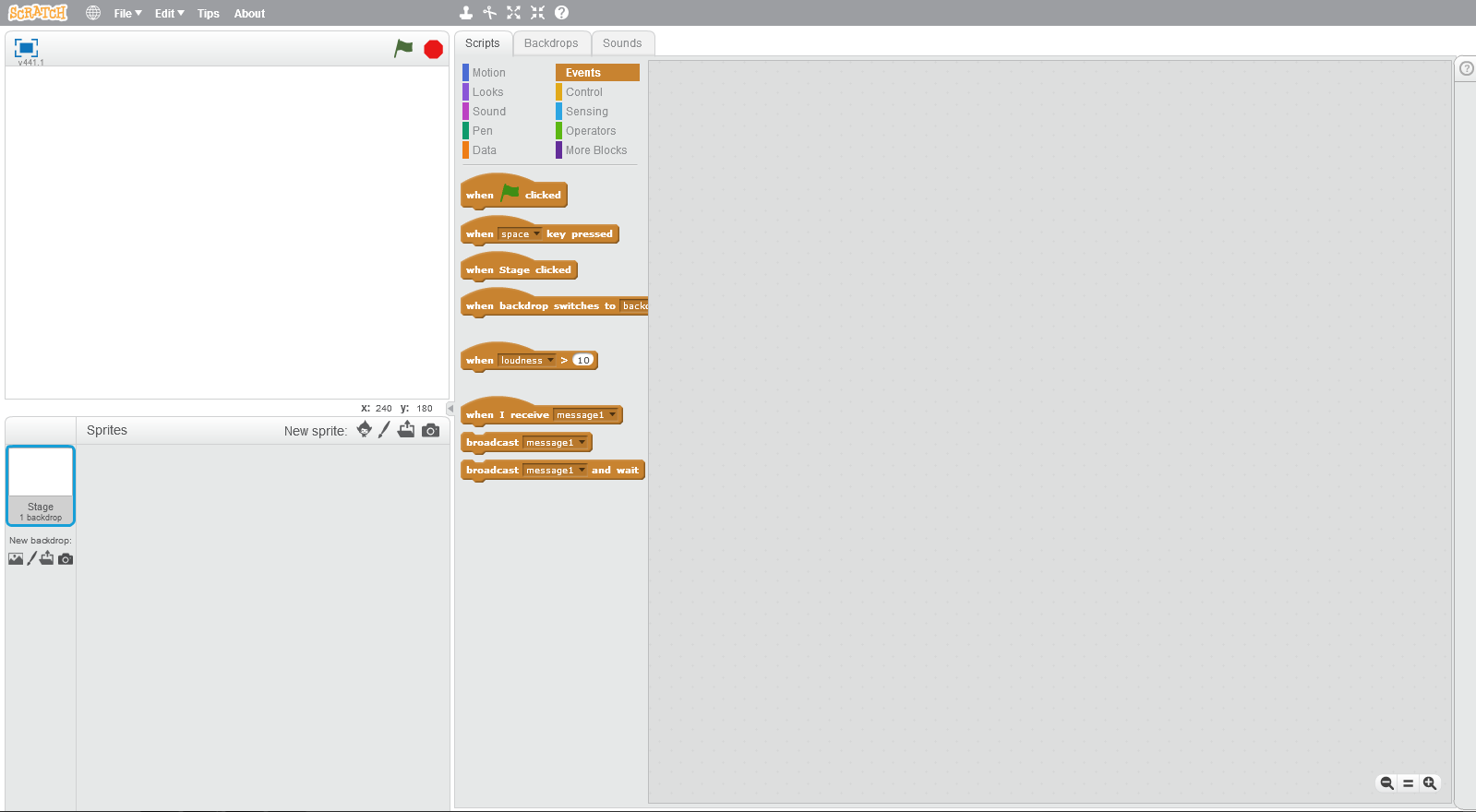
MIT announced Scratch 2.0 in May 2013 as a move from a download-centered workflow toward creating and remixing directly in the browser. The update also included custom blocks, webcam-responsive projects, and a paint editor combining bitmap and vector graphics. Community feedback helped shape the release, with the team receiving thousands of suggestions. The browser change matters because participation includes practical steps: finding a project, opening its internals, changing it, and sharing the result. Reducing the distance between those steps can make experimentation more approachable. This milestone demonstrates how an interface revision can change a creative community's everyday workflow without replacing the underlying idea of learning through making.
Why it matters
A workflow change can be a cultural milestone. Bringing inspection and remixing closer together made the relationship between published work and editable material more immediate for learners.