 thearchivist.fun
SVG describes images as shapes and relationships
SVG 1.0 became a W3C Recommendation in September 2001, standardizing vector graphics for the Web.
Context and provenance
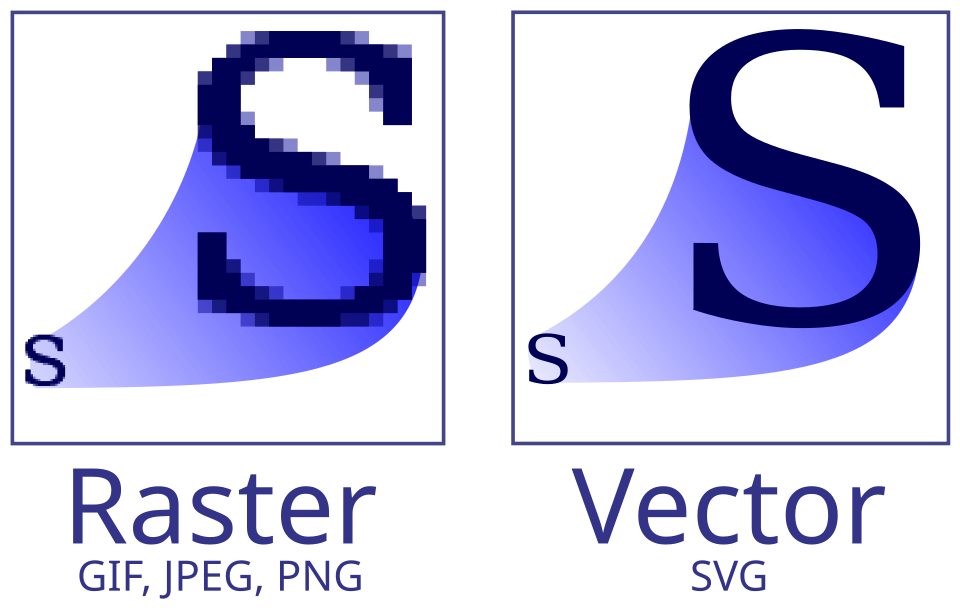
SVG 1.0 reached W3C Recommendation status on September 4, 2001, with the public announcement following on September 5. The format uses a text-based XML description for two-dimensional graphics. Shapes, paths, and text can be represented as structured elements instead of only as a fixed grid of pixels. That makes the image suitable for scaling and for manipulation through related web technologies such as the Document Object Model. SVG does not make every image better than a raster format; photographs and drawn diagrams have different requirements. Its contribution was to place a programmable, structured visual language within the family of interoperable web standards.
Why it matters
Editorial perspective: A graphic can be both a picture and a document with understandable parts. That dual character supports reuse, interaction, and adaptation, making visual information more flexible than a single exported image.