 thearchivist.fun
The Wayback Machine opens a window into older websites
The Wayback Machine launched in 2001, giving the public access to archived web pages.
Context and provenance
The Wayback Machine made older versions of websites accessible through a public interface. A preserved launch announcement dates that opening to 24 October 2001 and describes access to web material collected since 1996. The collection's start and the public service's launch are therefore separate milestones. Calling every page in the system a 2001 artifact would confuse the history of the service with the dates of the things it preserves. [1]
In 2014, the Internet Archive announced that the Wayback Machine had passed four hundred billion archived web pages. The post describes an expanding preservation effort and access features. This is a dated institutional milestone, not a current count and not a claim that every page was captured completely. Large totals describe scale; they do not remove the need to inspect a particular capture and its underlying resources. [2]
The Archive's help documentation explains important limitations. A site may be missing because crawlers did not find it, could not reach it, or encountered exclusions. A captured page can have missing images. Following links can move to a different capture date, and some functionality relies on servers that are no longer available. A replay that looks like an old website is therefore not automatically a complete, synchronized copy of everything the original visitor experienced. [3]
Editorial reading: the Wayback Machine changes a link from a simple pointer into a historical question. Which version of the destination is being discussed? A page can be revised, moved or removed while the URL stays familiar. A dated capture lets readers compare versions and inspect claims that would otherwise depend on memory. It also makes the gaps visible when a sought-after date or resource is absent.
For meme research, that difference is especially important. A surviving early upload can show that a particular image was available by a certain time, but it does not prove there was no earlier upload elsewhere. An absent capture is weaker evidence still: it can reflect crawl coverage rather than nonexistence. An archive helps establish a documented boundary, not omniscience about the whole web.
A useful citation retains the original address, capture address, capture timestamp and date of consultation. Note whether the material is an original post, a later repost, a creator's retrospective or another archive's description. Compare the visible page with any linked media that supplies the actual artifact. A screenshot of a replay can be useful evidence of what was visible during research, but it is not a replacement for recording how that replay was reached.
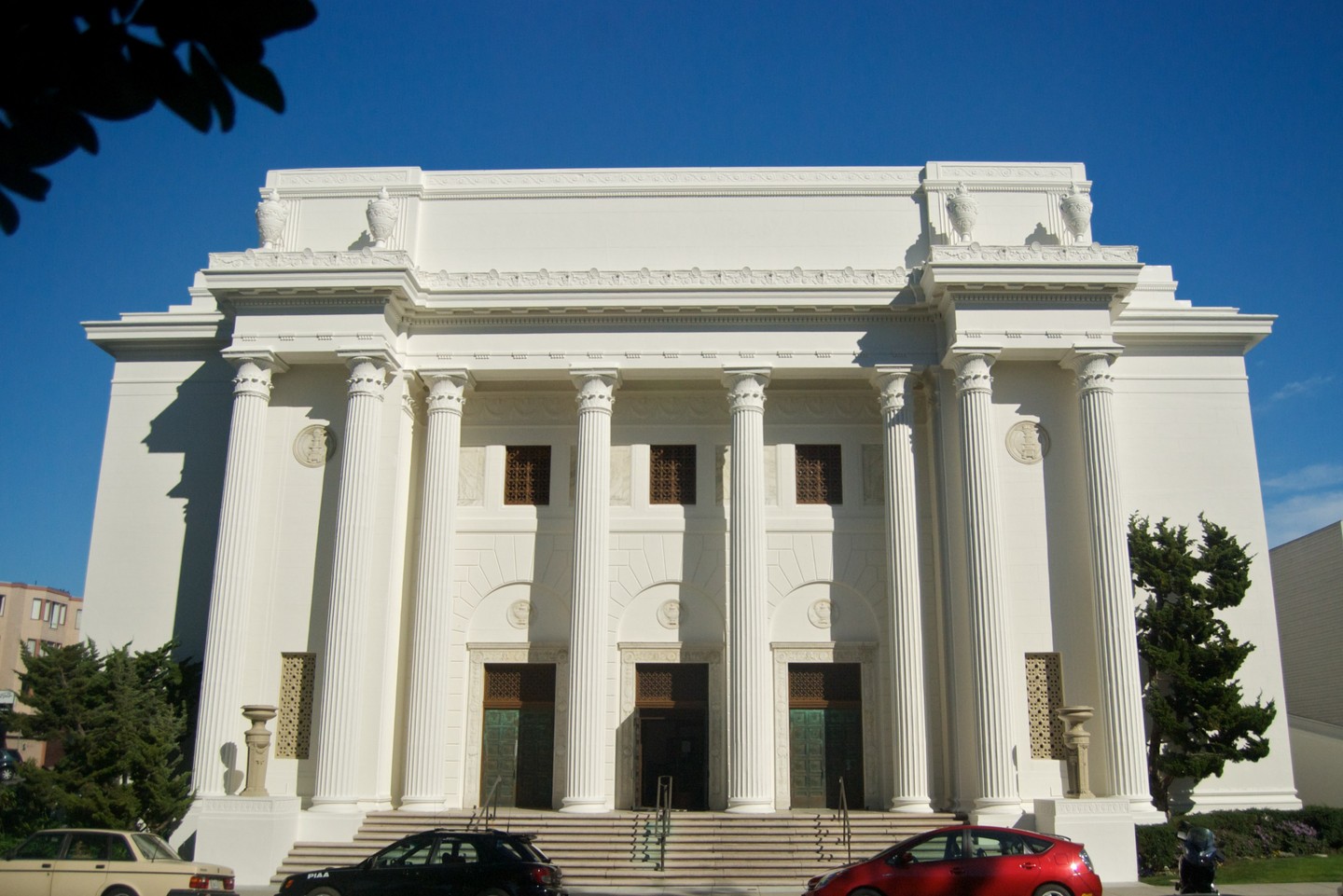
Preservation and permission also remain separate. Access to an old page does not automatically provide a license to republish all its text and images. Our related photograph shows the Internet Archive's San Francisco building; it does not depict the system's first interface or certify any particular capture. The photograph makes the institution tangible while the linked announcement and documentation establish the specific historical and technical claims.
The larger lesson is practical rather than nostalgic. Keeping the context of a source allows another reader to inspect it, challenge an interpretation, or find a better copy. A careful archive preserves those routes for correction instead of allowing a confident summary to become the only surviving version of the story.
Transmission timeline
- 1996
The collected web material described in the 2001 announcement reaches back to this year.
- 2001-10-24
The Internet Archive publicly launches the Wayback Machine.
- 2014-05-09
The Archive announces the four-hundred-billion-page milestone.
Variants and adaptations
- Original page and capture
The original URL identifies a resource; a dated capture identifies a preserved encounter with it.
- Replay and screenshot
A replay can load several resources, while a screenshot records one visible state.
- Creator retrospective
A later account can explain an artifact but must retain its later publication date.
Why it matters
A public web archive enables historical comparison while making capture dates, missing resources and the limits of surviving evidence central to interpretation.
What remains uncertain
A capture does not establish universal first publication, completeness, truth or unrestricted reuse. Counts are quoted only as dated milestones, not present-day measurements.
Sources and evidence
- Internet Archive: Wayback Machine launch announcement
24 October 2001 launch and collection dating from 1996.
- Internet Archive: 2014 Wayback milestone
Dated scale milestone, not a current total.
- Internet Archive: using the Wayback Machine
Capture gaps, missing media and date changes during replay.
Editorial review: 2026-09-23. New evidence may change this account.