 thearchivist.fun
HTTP/1.0 documents the exchange behind a page
RFC 1945 recorded the request-and-response behavior of HTTP/1.0 in May 1996.
Context and provenance
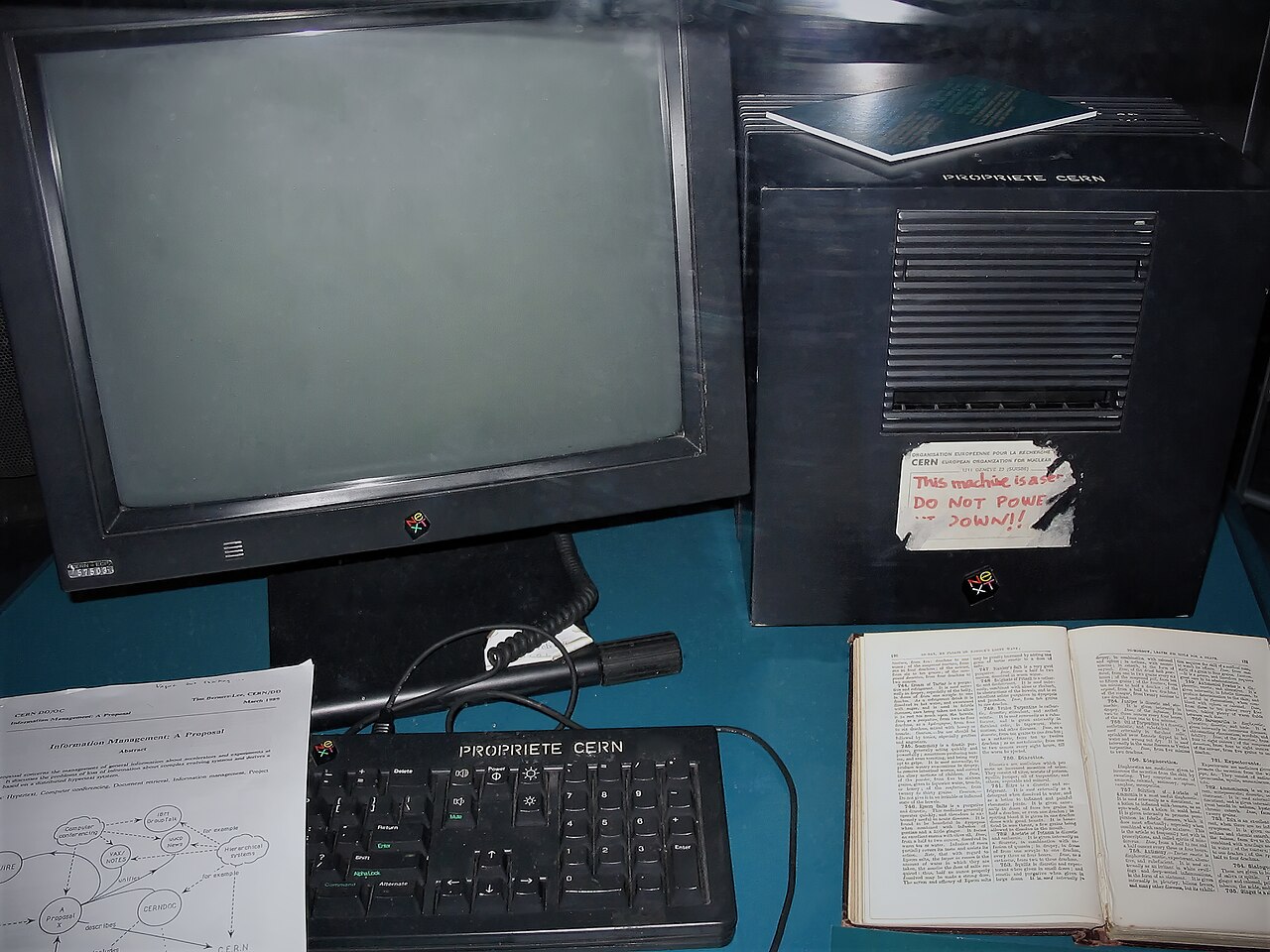
A browser page depends on an exchange between programs, and RFC 1945 documented that exchange for HTTP/1.0. Published in May 1996, it described requests, response status codes, headers, and message bodies. A client could ask for a resource; a server could return content or explain a failure through a defined response. The document reflected deployed practice rather than claiming that every implementation behaved identically. This matters historically because the Web grew through working software as well as formal specifications. HTTP provided an application-level vocabulary that many kinds of computers could share, independent of the particular appearance of a page.
Why it matters
Editorial perspective: A common language for success and failure makes cooperation possible. The recognizable browser experience rests on exchanges that are much less visual, showing how simple conventions can support an enormous variety of expression.