 thearchivist.fun
TCP specifies a reliable conversation over unreliable delivery
RFC 793 described how TCP could deliver an ordered stream of data between communicating programs.
Context and provenance
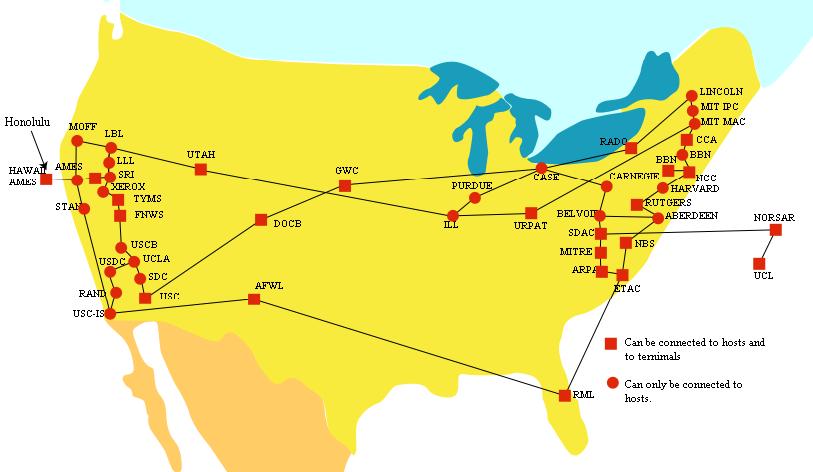
Published in September 1981, RFC 793 documented the Transmission Control Protocol. Its central task was to offer reliable, ordered communication even when the underlying delivery system could lose or rearrange data. Sequence numbers, acknowledgments, retransmission, and connection management helped transform packets into a usable stream for applications. The specification also separated the concerns of applications, transport, internet routing, and local networks. That layering allowed different parts of a communication system to evolve without every application having to solve all of them independently. This entry marks an influential specification, not the first conception of TCP or the last word on its development.
Why it matters
Editorial perspective: Trustworthy experiences often emerge from systems designed around expected failure. TCP's lesson is not that networks never fail, but that a well-defined relationship between participants can make ordinary failures manageable and largely invisible.