 thearchivist.fun
The Apple II packages computing for a broader audience
The Apple II combined a keyboard, case, power supply, and color graphics in a ready-made system.
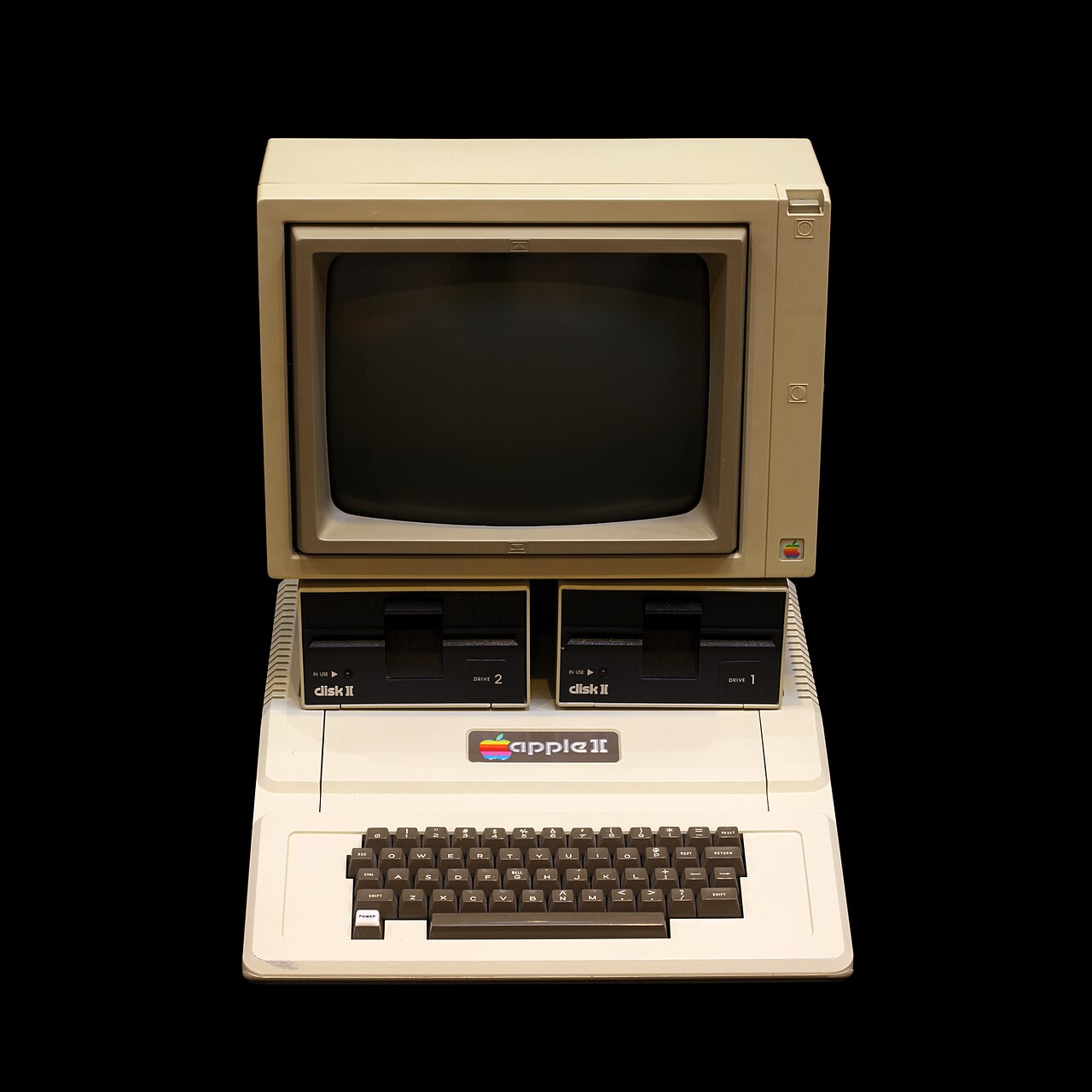
Context and provenance
Introduced in 1977, the Apple II represented a different proposition from a bare computer kit. It arrived with a main board, keyboard, power supply, case, documentation, and game-related accessories. Connected to a color television, it could display color graphics, giving owners an immediate visual reason to explore the machine. The Computer History Museum places its appeal beyond the hobbyist community that had supported earlier personal computers. Its long production history also matters: a sustained platform gives software, peripheral makers, educators, and users time to build shared practices. The machine's cultural role cannot be reduced to the moment of its announcement.
Why it matters
Editorial perspective: Presentation and completeness can expand participation. When basic setup becomes easier and meaningful examples are included, a technical object can become a creative medium for people who would never assemble one from components.