 thearchivist.fun
Ethernet imagines a local community of computers
Bob Metcalfe proposed Ethernet as a way to connect computers at Xerox PARC.
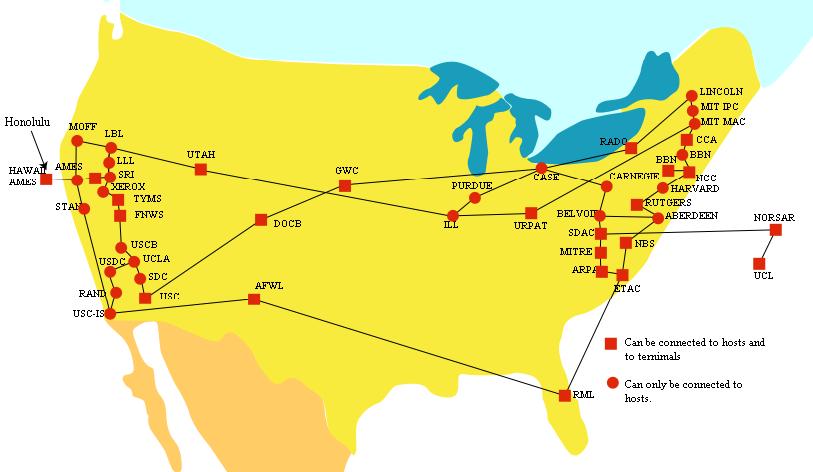
Context and provenance
On May 22, 1973, Bob Metcalfe wrote a memo proposing a system for connecting computers at Xerox's Palo Alto Research Center. The technology became known as Ethernet and was developed with David Boggs. This was a problem at a different scale from a long-distance research network: machines within an organization needed a practical means of communicating. The Computer History Museum's account emphasizes the original memo and the collaboration behind the technology. Ethernet's place in digital history comes from making the local network a durable foundation, linking individual workstations to shared communication and, through subsequent network connections, to wider systems.
Why it matters
Editorial perspective: The personal computer was never only a solitary device. Its usefulness increased when local relationships were designed into the infrastructure, a reminder that even apparently individual tools gain value through shared resources.