 thearchivist.fun
Usenet begins under material constraints
Early networked discussion grew from computers and connections with severe practical limits.
Context and provenance
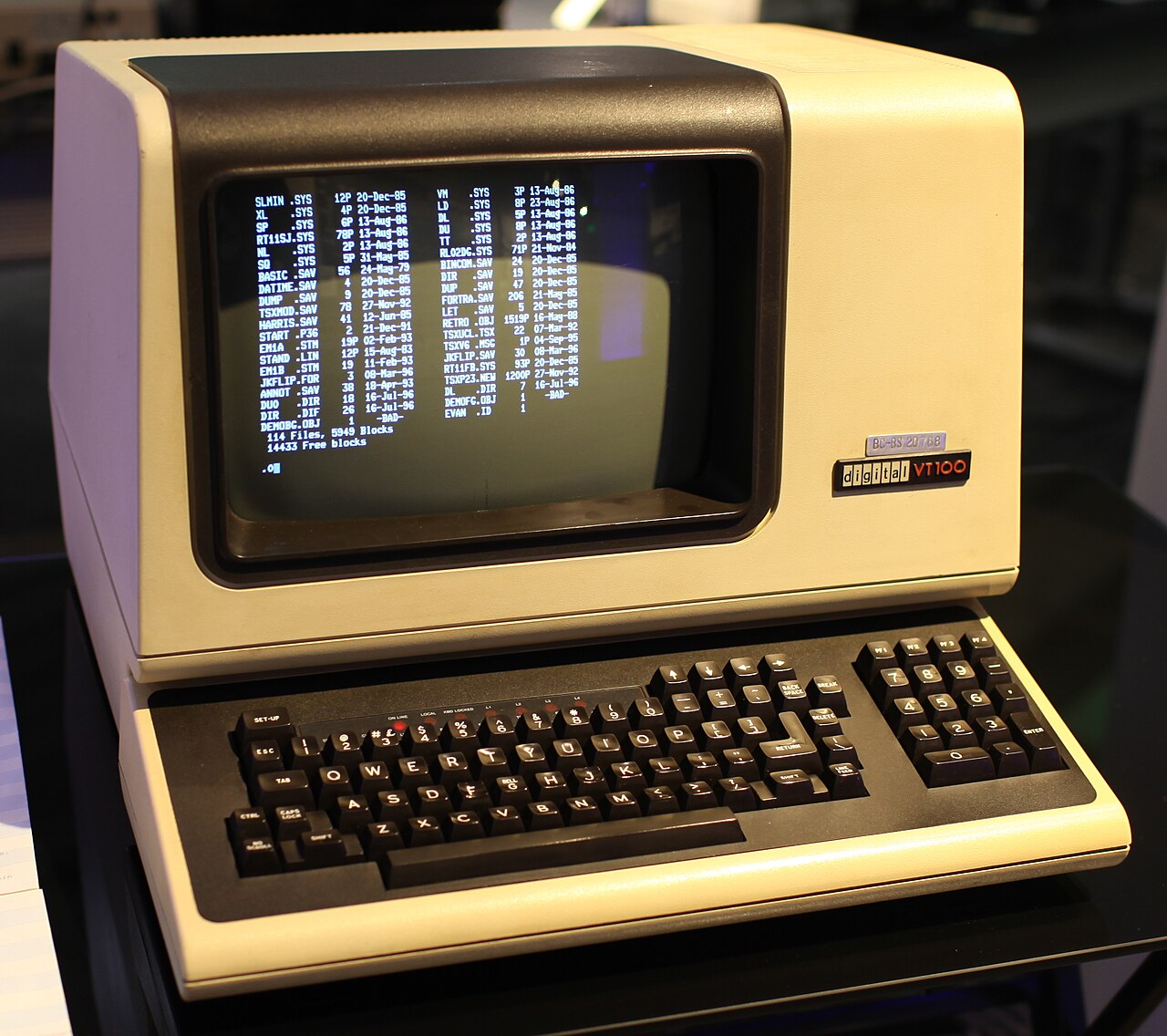
Usenet was conceived in 1979 in the computing environments around Duke University and the University of North Carolina. Steven Bellovin's first-person history describes a setting of small Unix machines, limited memory, and slow dial-up modems. An immediate problem was how to replace a local announcement mechanism while moving to a newer version of Unix; the availability of Unix-to-Unix Copy supplied another part of the solution. This context matters for later online culture because networked discussion did not begin as an unlimited stream of images and video. It developed through decisions about how messages could be exchanged with scarce resources, creating conditions in which compact text and shared conventions carried considerable value.
Why it matters
Culture depends on its material setting. Remembering the limits of early machines and connections helps explain why concise messages and repeatable conventions mattered, and prevents the history of online communities from beginning only with modern social platforms.